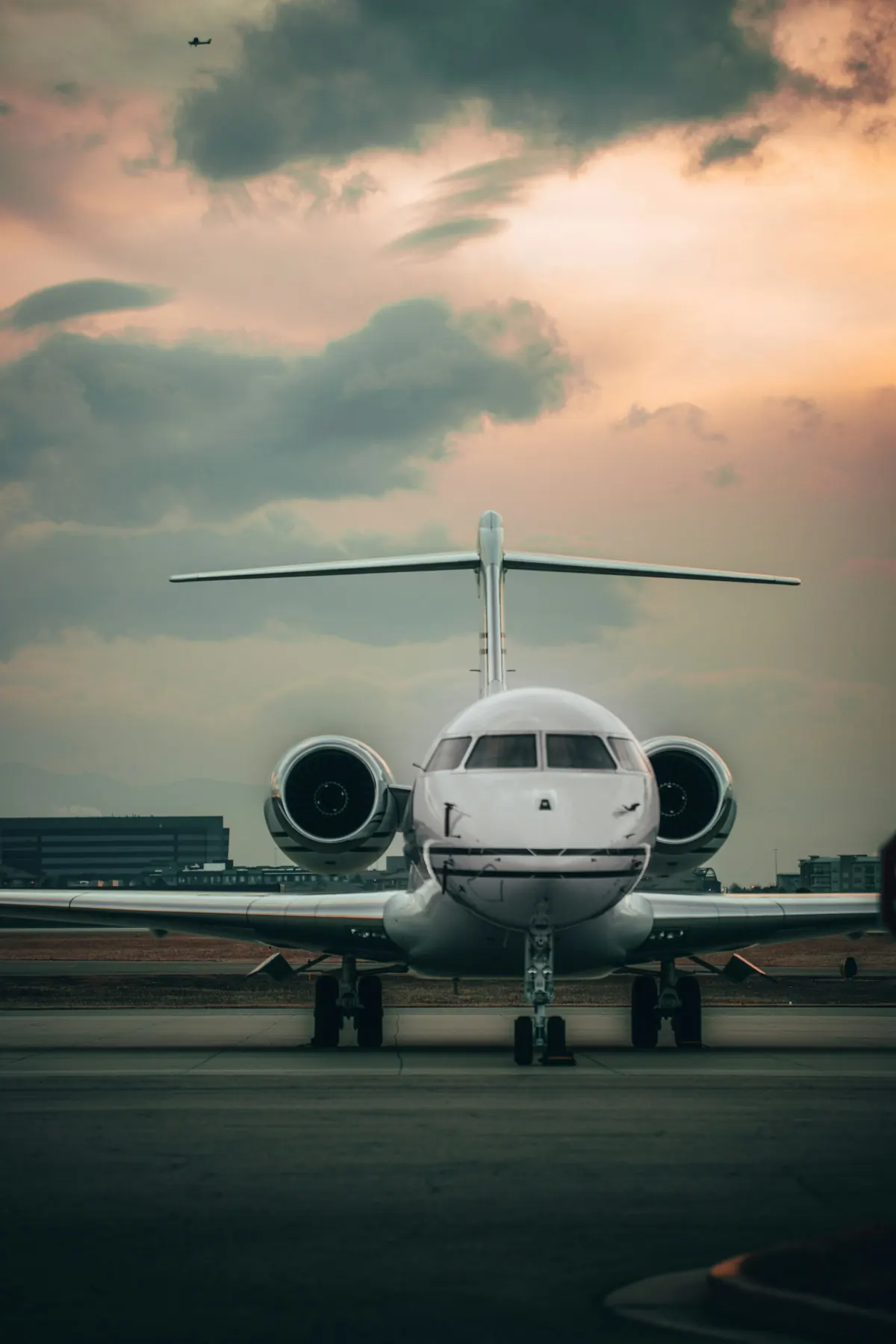
Repositioning flights · Private charter
The jet is flying empty anyway. Fly it for less.
When an aircraft has to reposition between charters, the operator will often sell that one-way flight at a reduced price. We look for those flights on your route, and arrange a regular charter when the timing doesn't fit.
- FAA Part 135 operatorsEvery flight is run by a certificated air carrier, or its foreign equivalent.
- All-in quotesFederal excise tax, segment fees and airport charges shown before you book.
- One advisor, start to finishThe same person from your first request until you land.
- No membership or depositAsk for a quote without signing up for anything.
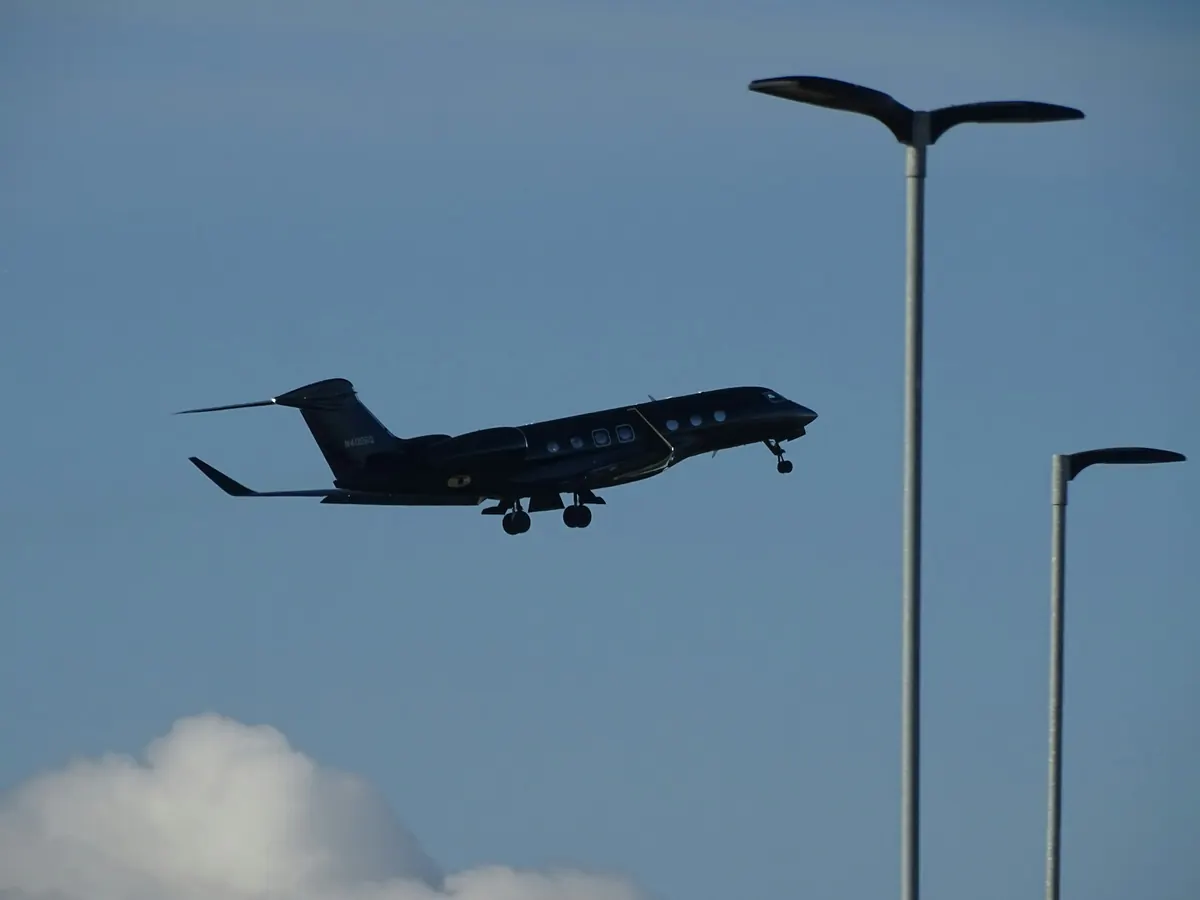
Why aircraft fly empty
Every one-way charter leaves an aircraft in the wrong place.
A jet that drops its passengers in Palm Beach usually has to get back to base, or on to its next trip. Operators call that flight a reposition, a ferry or a deadhead. Most would rather sell it at a reduced price than fly it with nobody on board, and that is where the saving comes from.
- Fixed route and time. The aircraft is going where it is going. Small timing shifts are sometimes possible.
- It can be cancelled. If the original trip changes, the repositioning flight can disappear with it.
- The whole aircraft, not a seat. You charter the jet for that leg, for your group only.
- Flexibility pays. A day of give in your plans makes a match far more likely.
How it works
From request to wheels-up
One request covers both options: a repositioning flight if there is one on your route, and a regular charter priced alongside it.
Step 01 · Request
Send the trip
Route, date, passengers and how flexible you can be. One form, no account to create.
Step 02 · Search
We check both ways
Your advisor looks for repositioning flights on or near your route and prices a regular charter alongside, so you can compare.
Step 03 · Confirm
Agree the aircraft
You see the operator, aircraft type and all-in price before anything is signed. The charter agreement names the operating carrier.
Step 04 · Fly
Wheels up
Arrive at the private terminal shortly before departure. Your advisor keeps an eye on the flight until touchdown.
Routes
Where aircraft often reposition
Seasonal traffic creates predictable one-way flights. These corridors see plenty of them, and we quote any route, anywhere.
-
 Repositioning corridorTEBNew YorkDJTPalm Beach
After the spring rush north, many aircraft head back to Florida with empty cabins.
-
 Repositioning corridorDJTPalm BeachTEBNew York
Drop-offs in Florida at the start of the season leave aircraft flying back north.
-
 Repositioning corridorVNYLos AngelesLASLas Vegas
Aircraft position out to Las Vegas to collect weekend groups heading home.
-
 Repositioning corridorOPFMiamiTEBNew York
The Miami version of the Florida pattern: full going south, often empty coming back.
-
 Repositioning corridorDALDallasASEAspen
Ramp space at Aspen is tight, so aircraft come and go around drop-offs and pick-ups.
-
 Repositioning corridorLTNLondonNCENice
Summer stays on the Riviera create steady positioning between London and Nice.
Aircraft
Five cabins cover most trips
Repositioning flights come in every size. These are the categories we quote most often, with estimated hourly rates.
-
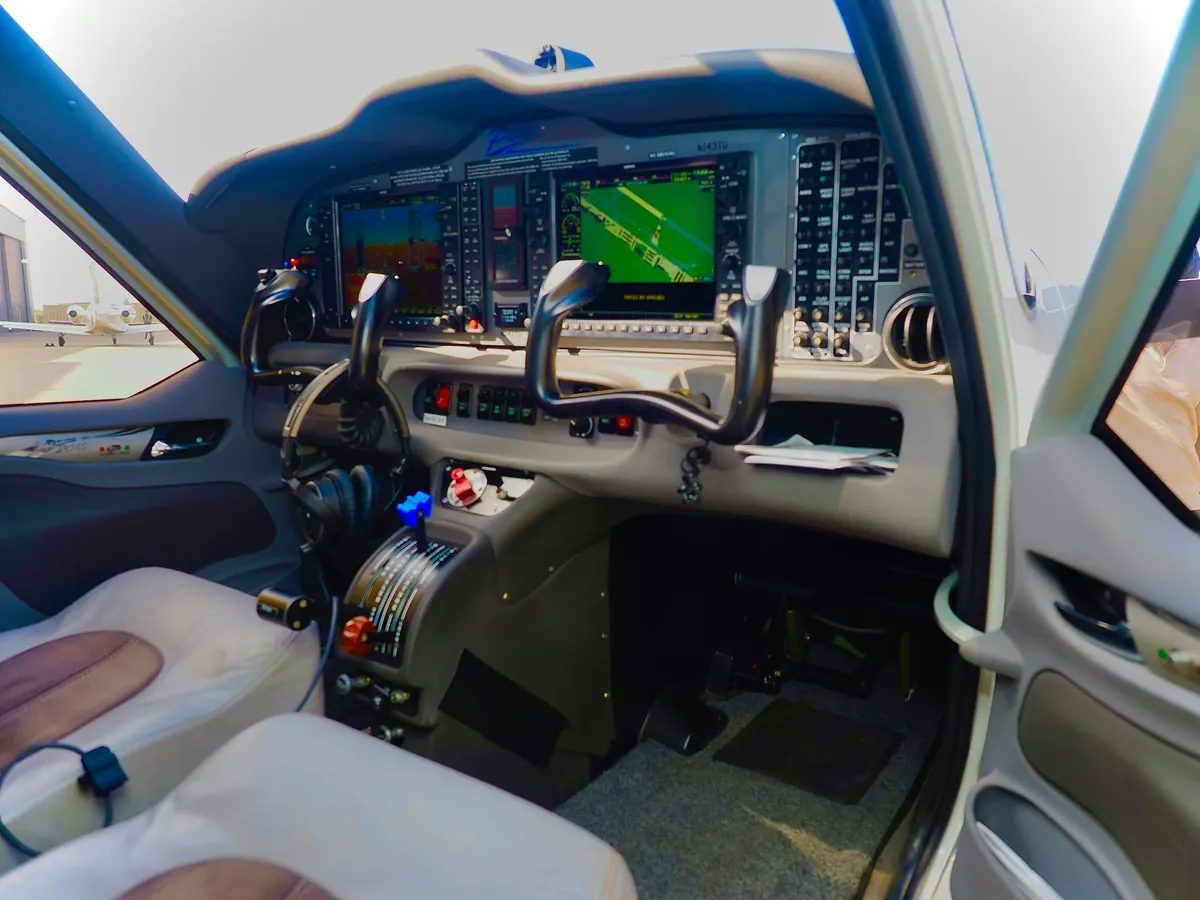
Turboprop
Pilatus PC-12, King Air 350
- Seats
- 6–9
- Range
- about 1,800 nm
$1,800–3,200/hrEstimate, before tax and fees
-
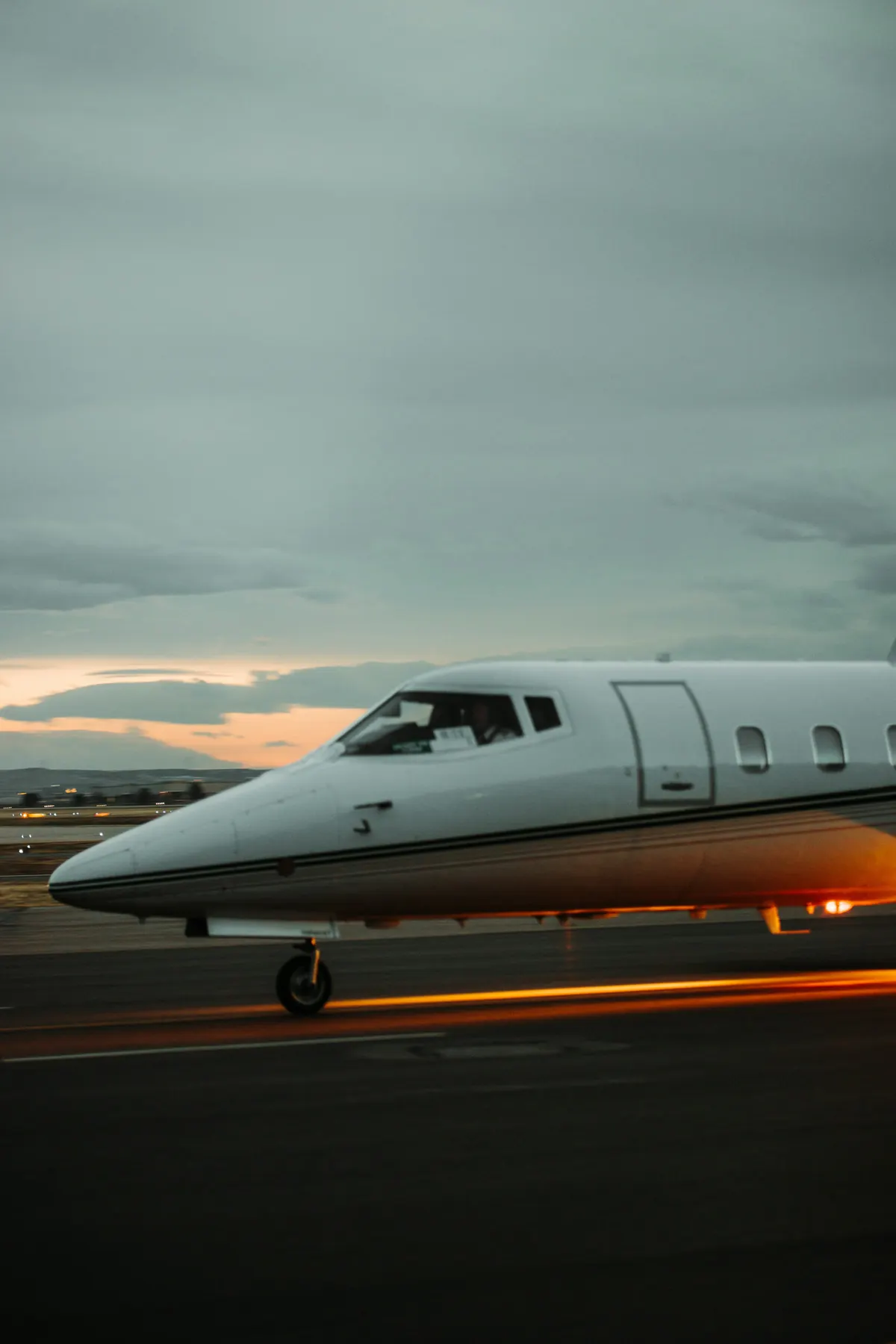
Light jet
Phenom 300E, Citation CJ4, Learjet 75
- Seats
- 6–8
- Range
- 2,000–2,150 nm
$3,500–5,500/hrEstimate, before tax and fees
-
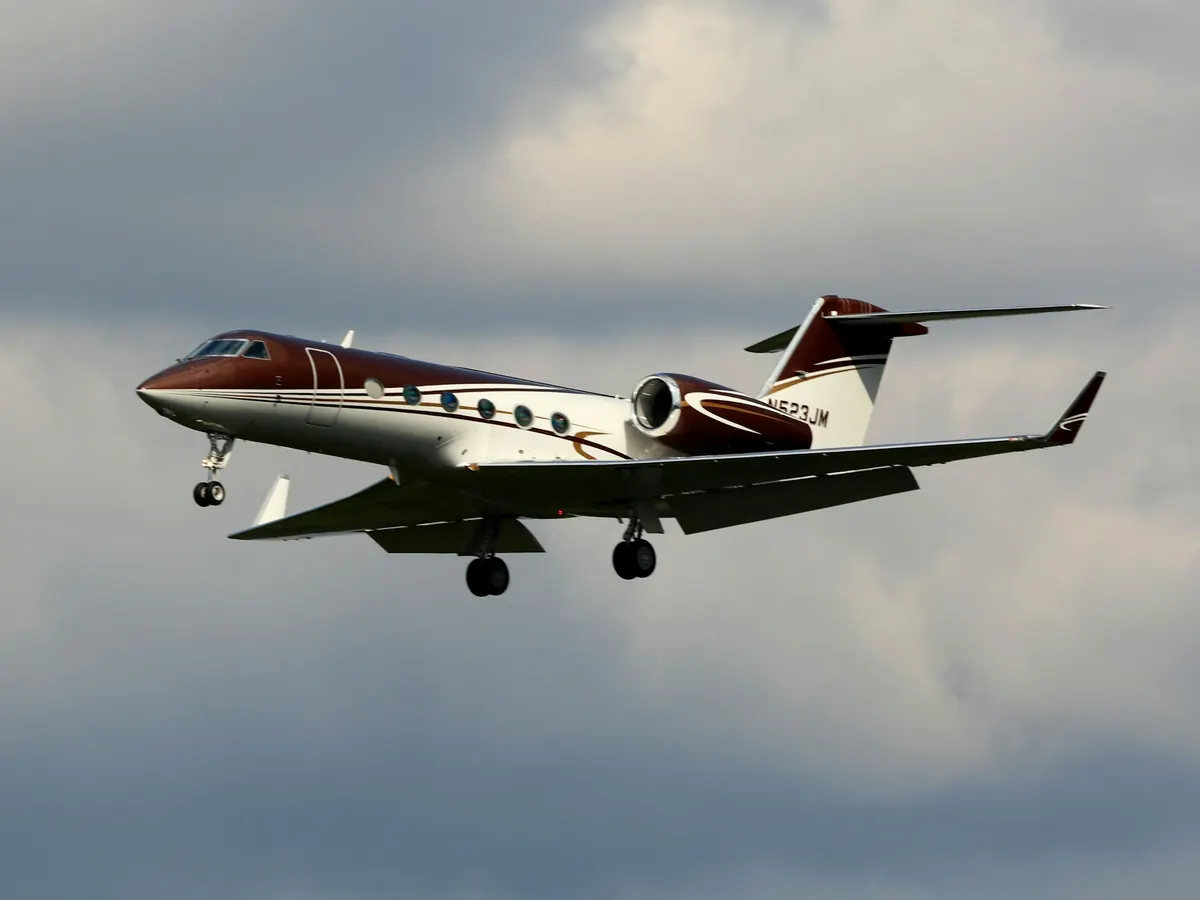
Midsize jet
Citation XLS+
- Seats
- 7–9
- Range
- about 2,100 nm
$4,500–7,000/hrEstimate, before tax and fees
-
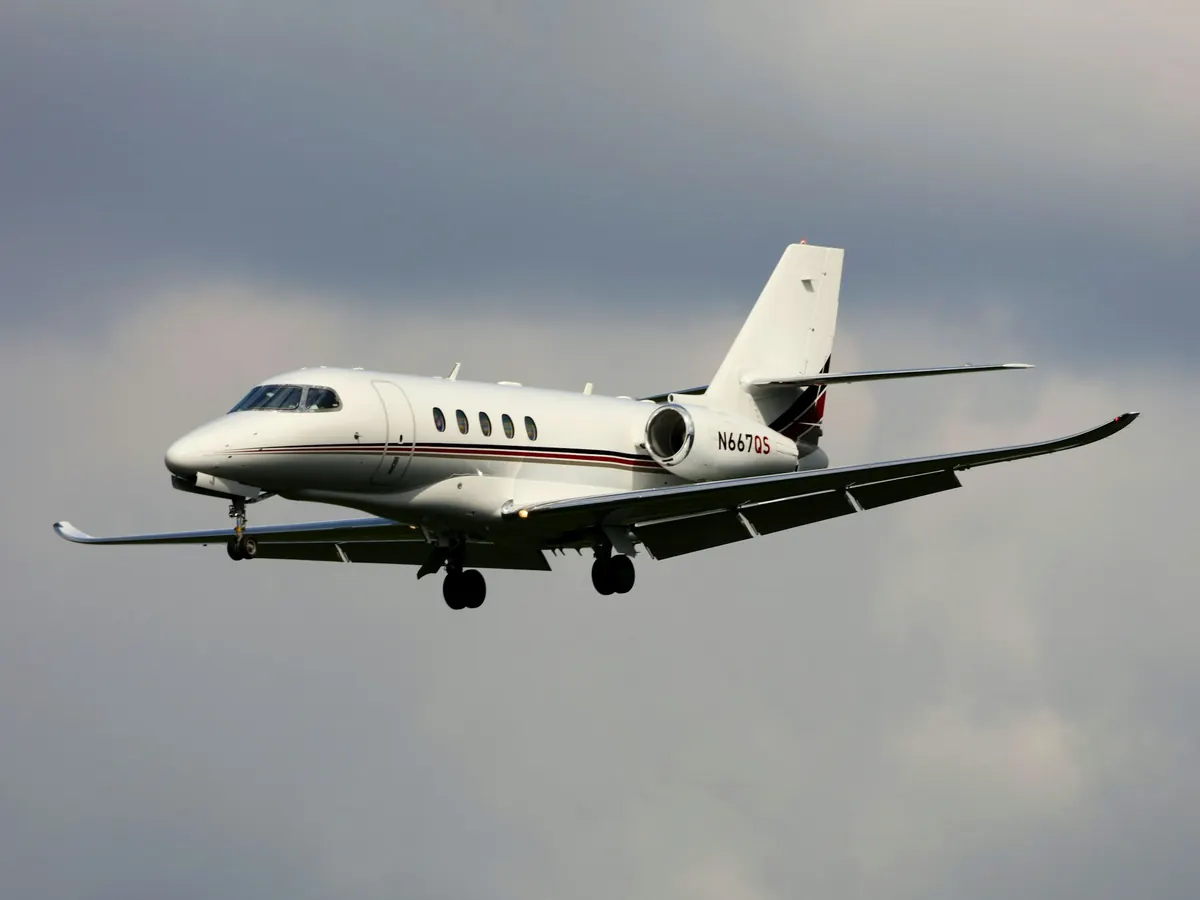
Super-midsize jet
Challenger 350, Citation Longitude, Praetor 600
- Seats
- 8–10
- Range
- 3,200–4,000 nm
$6,500–9,500/hrEstimate, before tax and fees
-
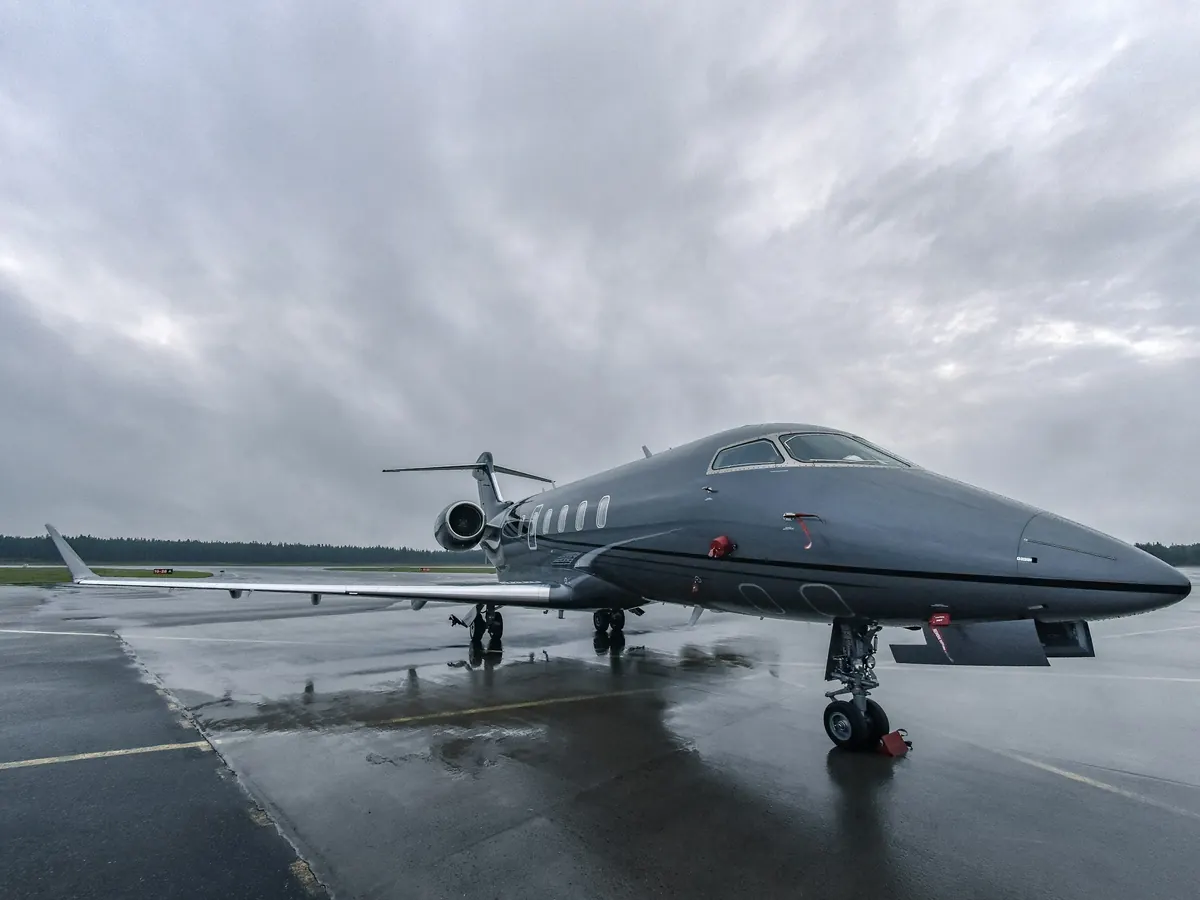
Large cabin jet
Gulfstream G450, Challenger 650, Falcon 2000LXS
- Seats
- 10–16
- Range
- 4,000–4,300 nm
$8,500–13,000/hrEstimate, before tax and fees
Safety and standards
Brokers arrange. Operators fly. We check who.
Every trip we arrange is flown by a direct air carrier holding an FAA Part 135 certificate, or the foreign equivalent outside the US. Before an operator reaches your quote, we look at the record behind it.
- 01
Part 135 certificate
US charter flights for hire must be operated under Part 135 of the federal aviation regulations. The operator, not the broker, holds operational control of the flight, and your quote names that operator before you book.
- 02
Independent audits
Many operators also hold third-party safety ratings. ARGUS rates operators Gold, Gold+ or Platinum. Wyvern's Wingman standard covers operators and their crews. IS-BAO registers flight departments at stages 1 to 3. We tell you which apply to the aircraft you are offered.
ARGUSWyvern WingmanIS-BAO - 03
Crew duty and rest
Pilots work within legal duty and rest limits. That is one reason repositioning flights come with fixed windows: the crew's day is already planned around the original trip.
- 04
Insurance and paperwork
We confirm the operator's certificate and insurance for the aircraft on your trip, and the charter agreement you sign is with the carrier that flies you.
Questions
Before you book a one-way flight
Short answers to what people ask most. More detail on the full questions page.
All questionsWhat is a deadhead flight?
A deadhead, also called a ferry flight, empty leg or repositioning flight, is a flight an aircraft makes without passengers to reach its next job or return to base. Operators often sell these legs at a reduced price rather than fly them empty.
How much cheaper is a repositioning flight?
Discounts of roughly 25–75% against the equivalent one-way charter are common. Treat that as an estimate: the price depends on the aircraft, the route, how close to departure it is and whether the operator could sell the leg to someone else.
What happens if the original trip is cancelled?
The repositioning flight can be cancelled with it, sometimes close to departure. Your charter agreement sets out what happens next. Keep a fallback in mind; we can price a regular charter alongside as a back-up.
Can I change the time or add a stop?
Small timing changes are sometimes possible if the operator agrees and the crew's duty day allows it. A new stop or a large time change usually turns the flight into a regular charter, priced as one.
Do I pay per seat?
No. You charter the whole aircraft for that leg, for your group only. The price is for the aircraft, not per passenger, so a full cabin brings the cost per person down.
What does an all-in quote include?
The charter price plus the 7.5% federal excise tax on domestic US flights, the per-passenger segment fee and the airport and handling charges known when we quote. Anything that can change on the day, such as winter de-icing, is listed separately.
Can I bring my dog?
Plenty of operators take dogs and cats on board, each with its own rules on size and crates. Mention the pet in your request and only aircraft that accept it will be offered.
Do I need a membership or deposit?
No. Asking costs nothing and needs no account. Money changes hands only after you choose a flight and sign the charter agreement for it.
Log
Notes on flying one way
Deadhead, ferry, empty leg: what the terms mean
Four names for one kind of flight, and the small differences that matter when you book one.

Why aircraft fly empty
The scheduling logic behind repositioning flights, and why some routes see far more of them.
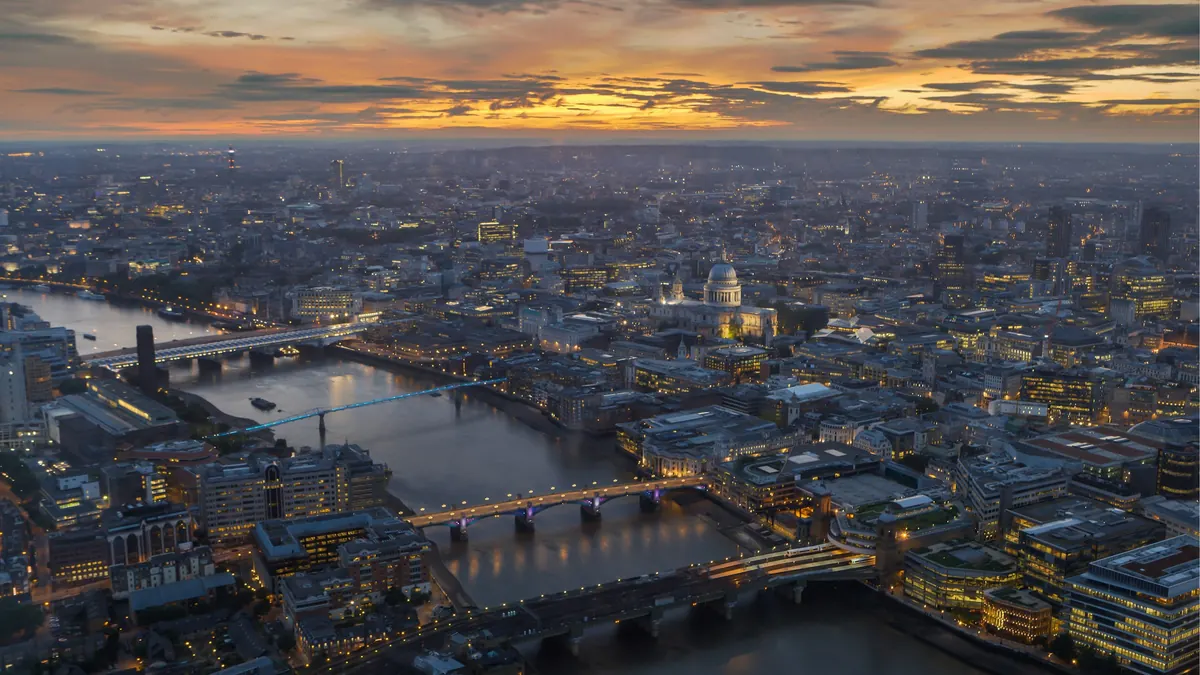
Crew duty limits and short empty-leg windows
Why a repositioning flight often comes with a fixed window, and what crew rest rules have to do with it.
Tell us the trip. We'll check both ways.
A repositioning flight if one fits your route, a regular charter if it doesn't. Both priced all-in, both flown by Part 135 operators.